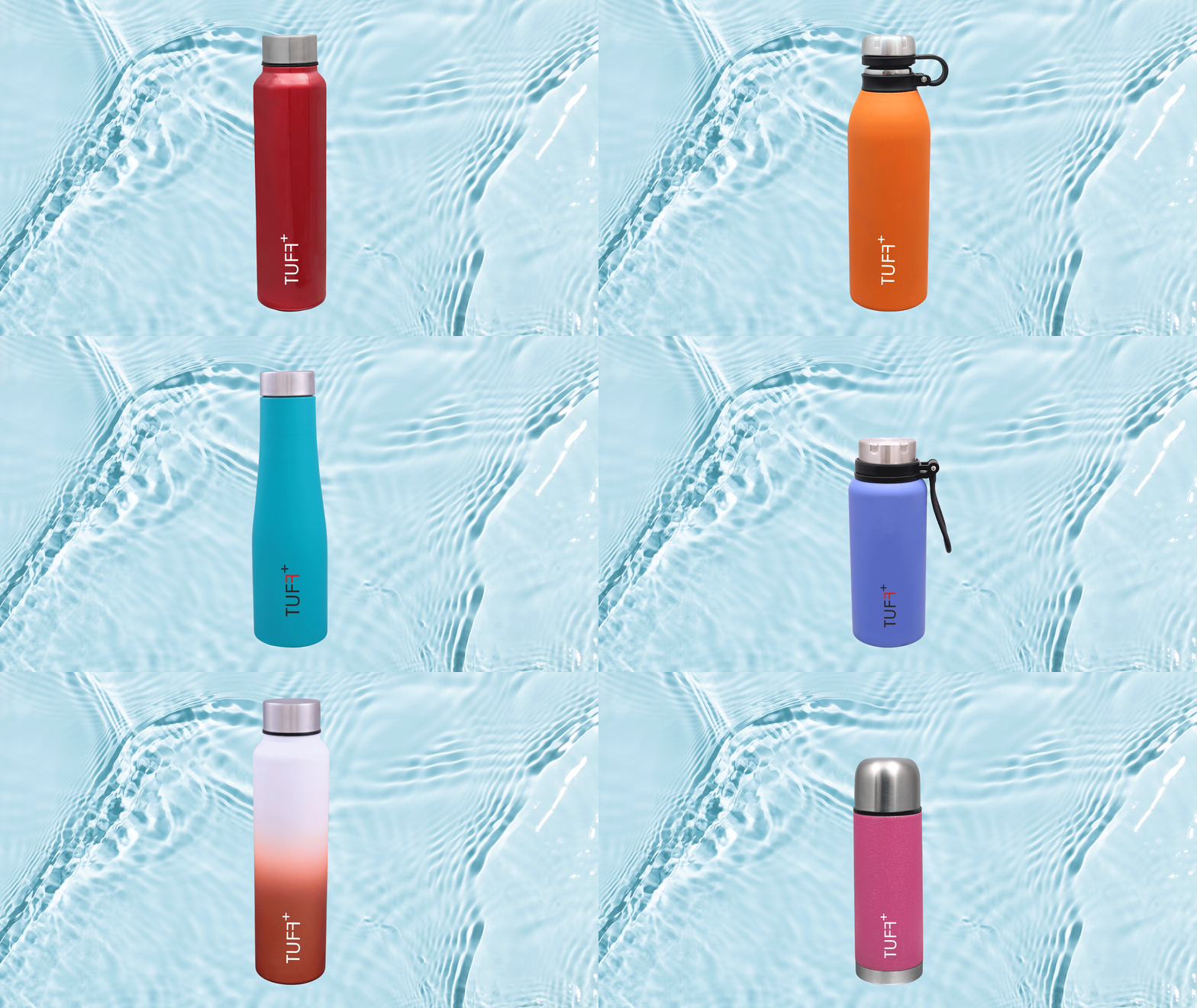



One Bottle, Two Seasons: The Smart Buyer's Guide to Stainless Steel Hot and Cold Water Bottles in India
If you have ever left a plastic bottle in a parked car in Jaipur in May, you know how quickly water turns lukewarm and unpleasant. If you have carried tea to a cold hill station morning, you know how fast it goes tepid. India's weather swings from scorching to freezing, sometimes within one journey, and that is why stainless steel hot and cold water bottles in India have moved from "nice to have" to everyday essentials.
This guide explains how these bottles work, what to check before buying, and how to keep them in good shape for years.
How Does a Bottle Keep Water Hot and Cold?
The secret is a double-wall vacuum design. Two layers of stainless steel are separated by a near-empty gap. Heat moves poorly through a vacuum, so warmth stays in a hot drink and outside heat stays away from a cold one.
Think of it as a thermos-style shield. The outer wall stays comfortable to touch, and the inner wall protects your drink. The same principle that keeps your morning chai warm also keeps chilled water refreshing through an afternoon commute.
Why Steel Beats Plastic and Glass
Health and hygiene. Food-grade stainless steel does not absorb odours or flavours, and it does not carry the worries some people associate with cheap plastics, especially when hot liquids are involved.
Durability. Steel survives drops from a desk, a bumpy auto ride and a packed school bag. Glass may look elegant, but it does not forgive accidents.
Long-term value. A well-made steel bottle can last for years. Replacing plastic bottles again and again costs more, and adds to landfill.
Versatility. One bottle handles cold water in summer, warm water in winter, and tea or soup on the road.
What to Look for Before You Buy
1. Steel grade
Look for food-grade 304 stainless steel (often marked 18/8). It resists rust and corrosion. If a seller cannot tell you the grade, treat that as a warning sign.
2. Real insulation performance
Brands often claim "24 hours of hot and cold," but conditions matter: room temperature, how full the bottle is, and how often you open it. Check independent reviews rather than relying on the label alone. As a rule of thumb, a good bottle should keep water noticeably cold for most of a day and hot for several hours.
3. Lid and seal quality
Most complaints about steel bottles come from lids, not bodies. Check for a snug silicone gasket, a smooth thread and a secure lock. If you carry your bottle in a bag with a laptop, leak-proof design matters more than any other feature.
4. Capacity
-
500 ml: office desks and school bags
-
750 ml to 1 litre: gym, commuting and daily hydration
-
1.5 litres and above: long drives, treks and family outings
5. Weight and grip
Steel is heavier than plastic. Try a slim, well-balanced shape with a textured or powder-coated finish for a secure hold.
6. Mouth width
A wide mouth makes it easier to add ice cubes and to clean. A narrow mouth suits sipping and reduces spills on the move.
Where These Bottles Make the Most Difference
Daily commuters get cold water after hours in traffic and heat.
Parents can send a bottle to school that survives the playground and keeps water cool through the afternoon.
Travellers and trekkers can carry hot water in the Himalayan foothills and cold water on a desert road trip.
Fitness enthusiasts benefit from cold water during a workout without ice melting into a diluted mess.
Office workers can stop reaching for disposable cups and keep a drink at the right temperature through long meetings.
Why Tuff Plus Is Worth a Look
Among the brands people consider in this category, Tuff Plus stands out for keeping its focus on the things that matter most in daily use: sturdy steel construction, dependable insulation and a design meant for real Indian routines rather than showroom photos. A good bottle should feel solid in your hand, hold its temperature through a busy day and close firmly without drama. Tuff Plus aims at that practical balance, which is why it deserves a place on your shortlist when you compare options. As with any purchase, check the current specifications, capacity options and warranty terms before you decide.
Care Tips That Add Years to Your Bottle
-
Wash regularly. Use warm water, mild soap, and a bottle brush. Clean the lid and gasket separately.
-
Do not freeze it. Water expands as it freezes and can deform the inner wall.
-
Avoid abrasive scrubbers. They scratch the surface and dull the finish.
-
Deodorize naturally. A soak in warm water with baking soda or diluted vinegar removes stubborn smells.
-
Air-dry with the lid off. This prevents trapped moisture and odor.
-
Be careful with carbonated drinks. Pressure can build up inside a sealed insulated bottle.
Conclusion
A good steel bottle is one of the simplest upgrades you can make to your daily routine. It keeps water at the right temperature, resists knocks, avoids plastic waste, and lasts far longer than disposable options. When choosing, prioritize steel grade, insulation, lid quality, and the right size for your lifestyle, then maintain it with basic care. Make those choices well, and stainless steel hot and cold water bottles in India become a purchase you will use every day for years.
Frequently Asked Questions
1. Are stainless steel bottles safe for hot drinks?
Yes, food-grade stainless steel is suitable for hot water, tea, and coffee. Be careful with very hot liquids and tightly sealed lids, and open the cap slowly.
2. How long can these bottles keep water cold or hot?
It depends on the design and the conditions. Quality double-wall bottles can keep water cold for many hours and hot for several. Room temperature, fill level, and how often you open the lid all affect results.
3. Can I put ice cubes or carbonated drinks in the bottle?
Ice cubes are fine, especially in wide-mouth bottles. Carbonated drinks are not recommended because pressure can build up in a sealed insulated bottle.
4. Why does my bottle smell or taste metallic?
This usually comes from residue or a poorly cleaned lid. Wash all parts thoroughly and soak the bottle in warm water with baking soda. A persistent metallic taste can indicate low-quality steel.
5. Is a steel bottle worth the higher price?
For most people, yes. It lasts longer than plastic, works across seasons, and reduces the need to keep buying replacements, so the cost per year of use is usually lower.
Ready to Choose Your Bottle?
If you are comparing stainless steel hot and cold water bottles in India, explore the Tuff Plus range and find a size and style that suits your routine. Check capacities, lid options, and warranty details, then pick the one that fits your day.